

Achalasia
What are the symptoms?
Patients usually present with difficulty swallowing. They may also report regurgitation of food or fluid and chest pain. Sometimes the stasis of food or liquid in the oesophagus irritates it and can give symptoms that mimic acid reflux.
How is it diagnosed?
Any patient presenting with difficulty in swallowing is initially assessed by endoscopy. If no cause for the difficulty can be seen then the next test would be to investigate for abnormal motility of the oesophagus. Oesophageal manometry uses a thin tube inserted into the oesophagus to measure pressure during rest and normal swallowing. Rapid swallows and solid food swallows are also assessed. The tube measures the contractile strength and coordination of the oesophagus and its sphincters. This test is the most accurate to diagnose achalasia and categorise it.
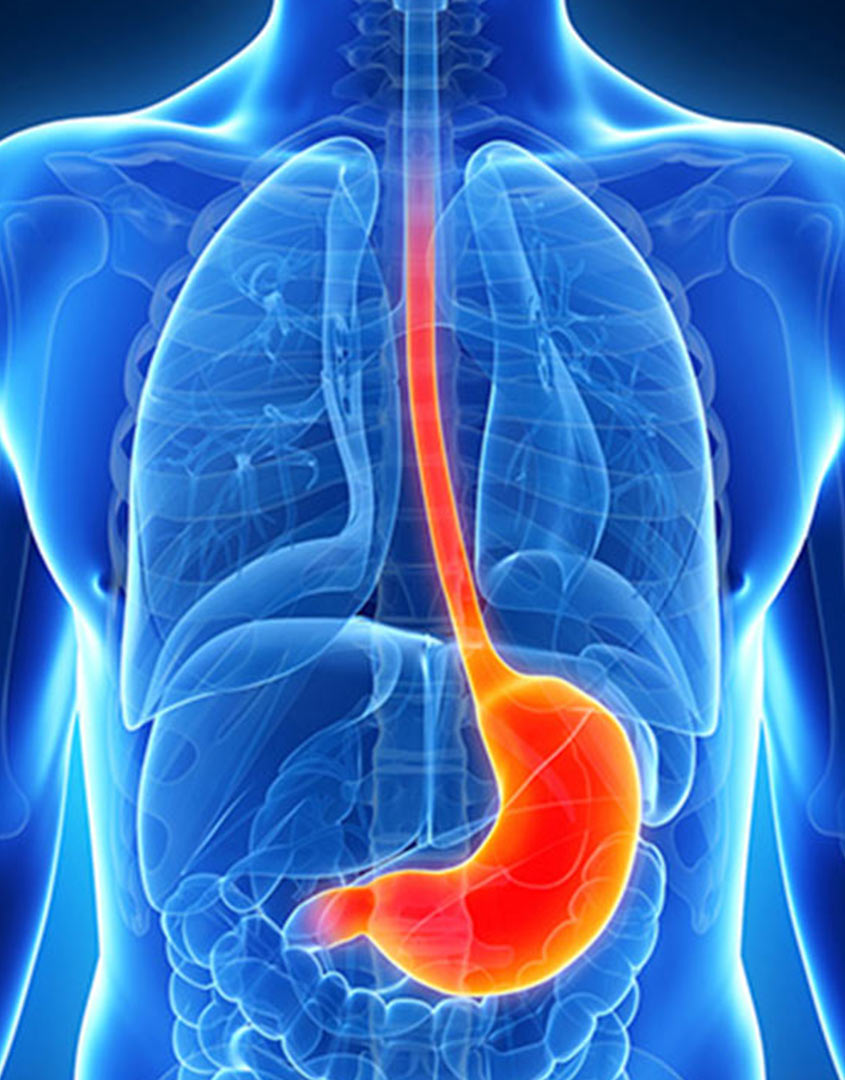
What are the treatments?
Achalasia can vary in its type – some types respond extremely well to surgery and others have more varied outcomes. All types have a high-pressure lower oesophageal sphincter (valve), which does not relax with swallowing. Treatment aims to disrupt this lower oesophageal sphincter. This is usually done in one of three ways;
– Endoscopic Dilatation – a specially designed balloon is inflated in the lower oesophagus in the radiology department. The balloon disrupts the lower oesophageal sphincter. This is a good option for patients who are at higher risk for surgery. However, the effect is not as durable as surgery, and repeat procedures are usually necessary. For this reason, balloon dilatation is usually not recommended for younger patients. Another concern is the small risk of oesophageal perforation (injury) during the procedure and the development of gastro-oesophageal reflux.
– Laparoscopic Heller’s Cardiomyotomy – The surgical option for achalasia is an operation known as a Heller’s cardiomyotomy. This is performed using lapraroscopic or keyhole surgery, through a few tiny incisions in the abdominal wall. The operation involves division of the thickened muscular wall of the lower oesophageal sphincter to allow it to remain permanently open. It is accompanied by a partial fundoplication procedure to prevent acid reflux. No procedure for achalasia can reverse the absence of function of the oesophageal muscle (peristalsis) and so rely on keeping the oesophagus open to allow passage of food and liquid. As such swallowing is rarely perfect, even after definitive procedures such as surgery.
– Per-Oral Endoscopic myotomy (POEM) – This endoscopic procedure divides the muscle of the lower oesophageal sphincter (valve) from within. Whilst a newer procedure than Heller’s cardiomyotomy, there is good long-term data that support its use. It has the advantage of avoiding surgical incisions in the skin and therefore a faster recovery. However, a fundoplication cannot be performed without surgery and therefore some patients will develop acid reflux symptoms after POEM. Usually these can be managed with medication.
How long will it take to recover from the surgery?
Patients are fully mobile and should commence fluids immediately after surgery. Often, a check contrast study is performed after the procedure before patients start a soft diet. Patients remain on a soft diet for 4 weeks to allow the postoperative swelling to settle.
Patients will often require one night in hospital. This is mainly to build confidence with eating and drinking after the surgery. The wound sites will have local anaesthetic injected into them at the time of surgery. This will wear off about 6 hours after the procedure. To stop the sites becoming sore you should take the regular painkillers as instructed. Shoulder tip pain is not uncommon and is due to gas underneath the diaphragm. This should not last longer than 24 hours. You will not be discharged until you are comfortable and eating and drinking. On discharge you should be independent and able to climb a flight of stairs.
Which medications will I require after surgery?
You will be discharged from hospital with a supply of simple painkillers with instructions on how to use them. Regular paracetamol is particularly effective and can be combined with an anti-inflammatory (ibuprofen) or a codeine-based drug (dihydrocodeine). Anti-inflammatories are not suitable for all patients and should be taken with food. The codeine-based drugs can cause constipation and should be taken with plenty of fluids. Most patients do not require painkillers after 5 days.
When can I return to work?
Generally, it is recommended to take two weeks off after surgery. Your ability to return to work will depend on your job and varies between individuals. We would not recommend flying immediately after surgery. This should be discussed on a case-by-case basis with the consultant.
When can I drive?
Driving should be avoided in the first week after surgery. Once you can perform an emergency stop in a stationary vehicle and turn to view your blind spot then driving should be safe. It is preferable to contact your insurance company to check for any specific instructions they may have.
What are the long-term outcomes from surgery?
Long-term results are good although it is rare for a patient’s swallowing to completely return to normal. Some patients will require long-term acid suppression medication and some will always find breads and meat difficult. There is a small increased risk of oesophageal cancer with achalasia and endoscopic surveillance should be performed during follow up. This does not need to be done for at least 5 years after symptom onset.
Who do I contact if there are concerns?
The group practice telephone is answered in working hours and messages can be left out of hours. Any concerns will be relayed directly to the consultant surgeon on receipt. The hospital ward also provides a 24/7 means of contact. They will contact the consultant about any concerns and are able to give advice if required.