
Oesophageal Cancer Surgery
What is an oesophagectomy?
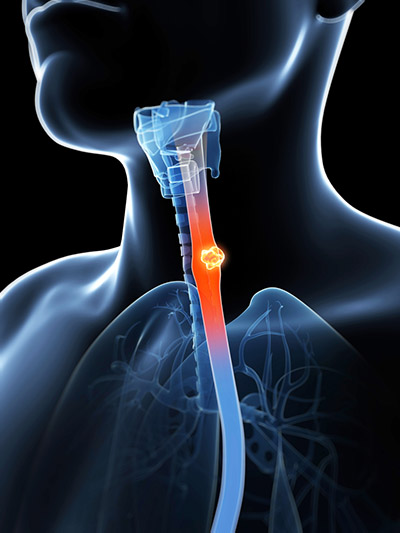
The oesophagus is located at the back of the chest making it a difficult place to access. Three different surgical approaches may be used depending on the size and location of the cancer. The approach will be discussed on an individual basis to establish the most suitable for each patient. Where appropriate, laparoscopic (keyhole) techniques are used to keep the incisions to a minimum. The LSG specializes in oesophageal cancer surgery in London.
To replace the removed oesophagus, a tube is made from the stomach, which is pulled up into the chest and joined to the remaining oesophagus.
The surrounding tissues including lymph nodes are also removed at the time of surgery as these may also contain cancer cells. The analysis of this tissue gives information on the extent or “stage” of the cancer.
How long are you in hospital for?
Most patients are in hospital for 8-10 days. The majority of the recovery time is getting used to an oral diet after the surgery. Most patients are out of bed the day after surgery and ambulatory at 2-3 days after surgery. Physiotherapy and dietitian involvement are important in the post-operative care phase.
What are the risks?
The main concern after surgery is to ensure there is no leak from the join made between the oesophagus and stomach tube. For this reason, it is common practice to perform a contrast test a few days after the procedure to check the join is water-tight before an oral diet is started. This involves drinking fluid whilst an x-ray is taken.
If a leak is detected then discharge is often delayed whilst the leak heals. Further surgery may occasionally be required. However, these situations are not common and can often be managed expectantly.
It is very important after surgery to ensure that breathing exercises are performed regularly. Physiotherapists are a crucial part of post-operative recovery as they prevent post-operative chest infections by encouraging deep breathing and early mobilisation. Dietitian input is also important as patients progress from a liquid to soft diet.
How long will it take to recover?
You will not be allowed to leave hospital until you can walk up a flight of stairs unaided and can perform all the tasks which will be required when you get home. Recovery after oesophagectomy is measured in months (not days to weeks). Although the majority of this continues whilst you are at home, it is important to be realistic about these timeframes after major surgery.
When can I go back to work?
It usually takes 6-8 weeks before patients feel they are physically recovering after the more major procedures. It is common to feel tired for the first few months after surgery. If further chemotherapy is required this will extend the period of recovery. Return to work is a very individual decision and depends on the nature of the work and speed of recovery. A few months off work (at least) would be the norm. For some patients it will take 6 to 12 months (or longer) to regain their quality of life after treatment as smaller issues can continue to improve for a long time after surgery.
When can I drive?
Driving should be avoided for at least the first few weeks after surgery. Once you can perform an emergency stop in a stationary vehicle and turn to view your blind spot then driving should be safe. It is preferable to contact your insurance company to check for any specific instructions they may have.
How am I followed up?
You will be seen regularly after the surgery as part of a formal follow up plan. Any difficulties with eating will be discussed and your weight will be monitored. You will also be checked for any vitamin or iron deficiencies after the surgery.
For more information on oesophageal cancer surgery London, please contact us on davies@londonsurgicalgroup.co.uk
Who do I contact if there are concerns?
The group practice telephone is answered in working hours and messages can be left out of hours. Any concerns will be relayed directly to the consultant surgeon on receipt. The hospital ward also provides a 24/7 means of contact. They will contact the consultant about any concerns and are able to give advice if required.